IGNORE THESE OPTIONS ^^^^^^
Portfolio Introduction
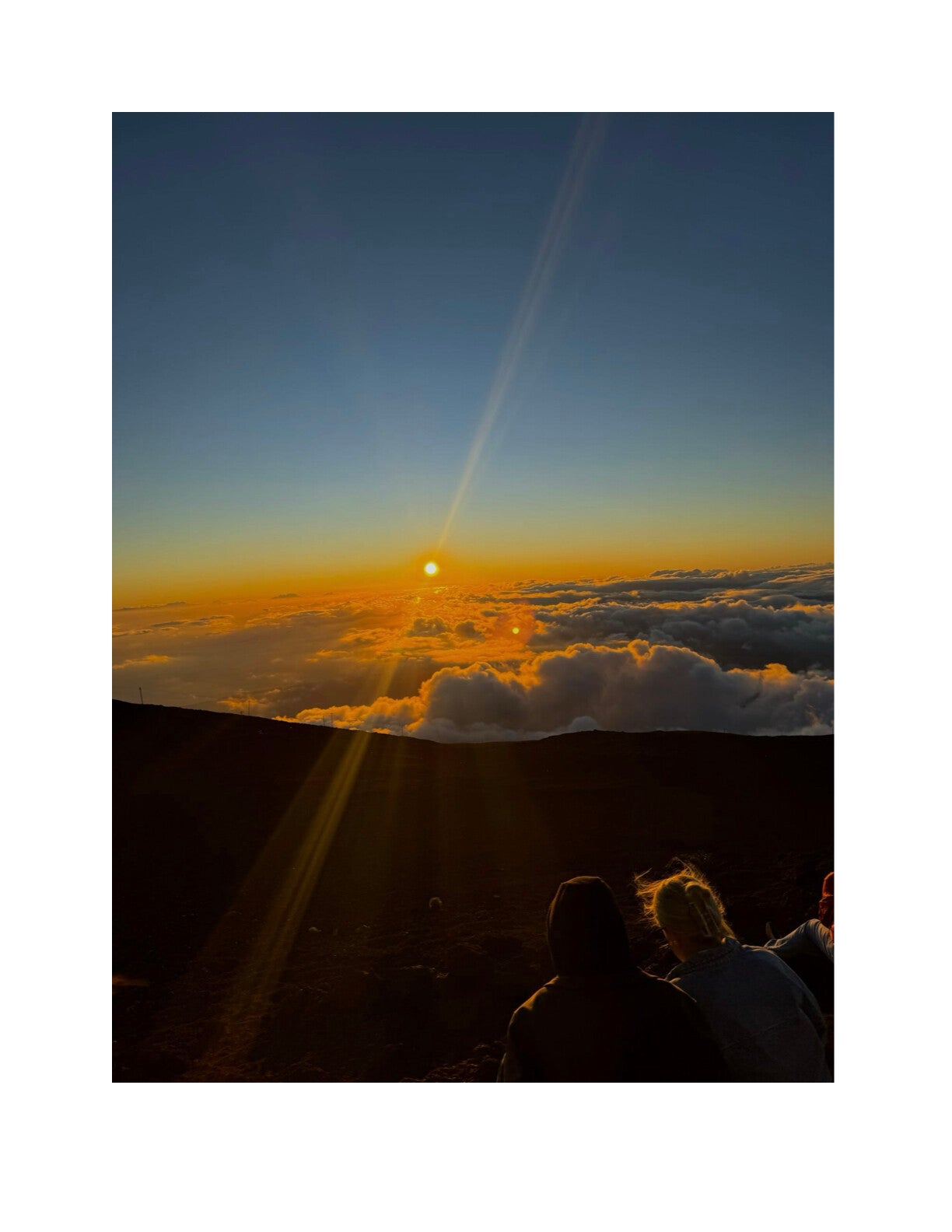
The photo I chose is one I took at the top of a mountain during sunset and is apart of my still image 4 project. I like it because it captures a moment where I felt completely in the moment experiencing something beautiful and seeing things from a new perspective. To me, it represents who I am, someone always looking for new experiences and ways to see the world.
I took CMDP 1400 to learn how to tell stories through media and improve how I capture moments. One key thing I learned is how small choices in framing, perspective, and timing can completely change the story a photo or video tells. This class made me realize that photography and media are about more than just taking pictures, they’re about communicating ideas and emotions in a way that connects with people. It taught me to think critically about my work and the story I want to share.
Critical Theme Photos

This photo shows two people at a concert filming the big digital screen with their phones. It connects to “space and media” because the screen and the act of recording change how people experience the concert. The media directs attention and creates a shared digital experience, blending the live moment with personal technology. It shows how screens and devices shape the way we interact with public spaces and events.

This photo shows a dark park with a single bright light that lights up the whole building. It connects to “surveillance culture” because the light makes it clear that the space is being watched or monitored. Even though it’s just a light, it changes how people feel and act in the area. The photo shows how technology, or even small tools like lights can control behavior and create a sense of being observed, which is a big part of how media and surveillance affect public spaces.

This photo shows a crowd at a concert enjoying the bright lights and display. It connects to “media and memory/identity” because the lights create a memorable, emotional experience for the audience. People are fully immersed in the moment, and the media enhances how they remember the event. It shows how media can influence feelings, capture experiences, and shape how we connect with memories and ourselves.
Photo Trajectory
Over the semester, my photography “eye” has definitely improved. My first photo, of Farrand Field in Boulder, shows some basic framing of the mountains, nothing too fancy, but it’s where I started. By my second photo, of my hometown neighborhood at night on a rainy day, I was paying more attention to framing, using the street in the middle and the houses on the sides to lead the eye.
In my third photo, a candid shot of my friends under the northern lights, I started to focus on timing, capturing them off guard in a natural moment. For the fourth photo, I experimented more with perspective, shooting from ground level up a hill to a tree, which made the photo feel more dynamic. My fifth photo shows my friends hiking toward the Flatirons, I caught them off guard, and the framing is tighter, showing better control of composition. Finally, my sixth photo of my family walking in Hawaii under the trees captures movement, good framing, and a natural moment, combining everything I’ve been practicing.
Looking at all six photos, I can see how I’ve grown from taking simple snapshots to being intentional with composition, perspective, timing, and capturing real moments, making my photos feel more alive and visually interesting.


Social Media Short Story
Freshman year of college My family decided to start adopting puppies and training them to eventually become guide dogs for the blind. A program a family friend referred us too. We adopted our first puppy alsworth and began training him. (1st picture)
After a year of training it was finally time to send him away to guide a blind person and for final evaluation. Alsworth unfortunately did not pass due to health concerns. We loved him too much to give him away so we adopted him. But it was time to adopt another dog and begin training him and to bring Alsworth a temporary brother, Elton. (2nd picture)
The two puppies quickly became best friends and got along very quickly. (3rd Picture)
After bonding and being brothers for almost a year, it is time to say goodbye and to let Elton continue his career as a guide dog for the blind. (4th picture)
Alsworth was now alone again and misses his brother dearly as did our family. We begin looking for another dog to adopt and train. (5th picture)
We just recently adopted our 3rd dog named admiral and he is the blac lab. Alsworth and Admiral are now best friends and currently living together for another couple months before admiral is shipped off to continue his career. (6th Picture)


Using social media to share this story made it feel more personal and immediate. By posting the photos in sequence, viewers could follow the puppies’ journey almost like a timeline, experiencing the excitement of adoption, the fun of bonding, and the sadness of goodbyes along with our family. The platform also allowed me to control the pacing of the story, highlighting key moments like when Elton left or Admiral arrived, and adding captions to explain the emotions behind each photo. Social media made it easier to show the progression and relationships visually, rather than just describing them. Overall, it helped turn a personal family experience into something relatable, engaging, and easy to understand for anyone scrolling through the story.
For this project, I used the original photos from my camera roll to tell the story visually. I chose digital photos because they captured the real moments, expressions, and environments of the puppies, something I couldn’t replicate with drawings or other media. One challenge was selecting which photos best represented each stage of the story while keeping the sequence clear and emotionally engaging. Another issue was consistency in quality, some older photos were darker or less sharp, so I had to adjust brightness and crop carefully to make them look cohesive. I also had to think about framing each image in a square or vertical format so they would display well on social media. Overall, using photos allowed me to convey emotion and narrative naturally, but it required careful curation to make the story flow smoothly.
Video Projects
Metaphor of Self
Found Footage
For my metaphor of self video, the production process started with going through my camera roll and selecting clips that best represented me and my values. This included moments with family, friends, and activities I enjoy, as well as small personal details that reflect who I am. One challenge was narrowing down which clips to use, there were so many that felt meaningful, but the video needed to be concise. I also had to figure out how to arrange the clips so they flowed naturally and conveyed a sense of my personality without needing narration. Editing on my phone and using simple software was manageable, but timing the clips with music and transitions took some trial and error. A surprise was how much a small adjustment to the order or length of a clip could completely change the emotional impact of the video. Overall, this project helped me see how seemingly ordinary moments can combine to tell a story about identity.
For the found footage video, the process was different because I was working with publicly available clips rather than personal ones. I found a video of a guy sleeping and then selected nature clips to create the impression of his dream world. It was rewarding to see how these different c clips could be combined to create a narrative, even when the original material had nothing to do with each other.
The two projects differed mainly in source material and creative control. With metaphor of self, I had complete control over what to film and what represented me, which made the project very personal but required careful curation. With found footage, I had to work within the limits of existing material and creatively reinterpret it to tell a story, which challenged my editing skills in a different way. metaphor of self focused on identity and emotional continuity, while found footage emphasized storytelling and cohesion across unrelated clips. These differences matter because they taught me two different approaches to video production: one about reflecting personal meaning, and the other about shaping narrative from pre existing media. Both strengthened my understanding of editing, pacing, and the power of visual storytelling.
Final Response
The way that art and media has been created and the way we experience it has changed in so many ways overtime. In the past, it felt like most people would just look at, watch, or listen to these pieces of art because at the time you needed certain pieces of equipment or even special acsesss to studios and people needed special skills. In today's world, anyone can create and share media within seconds on their phone or laptop. I think experience is very critical for great pieces of art and really helps inspire people to make what they want. For example,please my metaphor of self video I was using all clips from my life of moments I had captured and experienced and then I edited it into a video where others could watch and experience as well. Now today, I think media is a lot more interactive where people are now able to remix and make different versions of what they see online.
With super popular social media platforms like TikTok, Instagram, and YouTube everyone has the ability to post their content and share it to the world giving people a voice they may have felt like they never had before. With Crowdsourcing, many people come together and collaborate and it creates a lot of diversity, but what comes with that is that it can possibly make it hard to understand is what content is trustworthy and high quality. All it takes is a like, share, or a repost to influence a post or a piece of content and this changes social norms completely. At the same time, this is allowing communities to form shared interests, hobbies, and collaboration which is contributing to our culture n society in a positive way.
Overall, media is no longer just something we watch for quick entertainment, but it is something we are able to interact with and to create and inspire others. crowdsharing and crowdsourcing allows anyone to participate in this and allows people to connect with others and express themselves. Media has quickly become a critical media tool that allows us too communicate, create, and connect and there has never Jenna better time to go all in then now.
Project Narrative
When I made my portfolio, I kept the layout simple so people could easily see my projects and follow my story over the semester. I tried to make all the photos and videos look consistent so the site felt like one complete thing. The hardest projects were definitely my Found Footage and Metaphor of Self videos because I had to figure out how to put clips together so they actually told a story. I learned a lot about timing, editing, and how small choices in media can completely change what people take away. These projects tie into the bigger ideas we’ve talked about in class because they show how media can shape identity, communicate ideas, and influence how others experience and interpret your work.